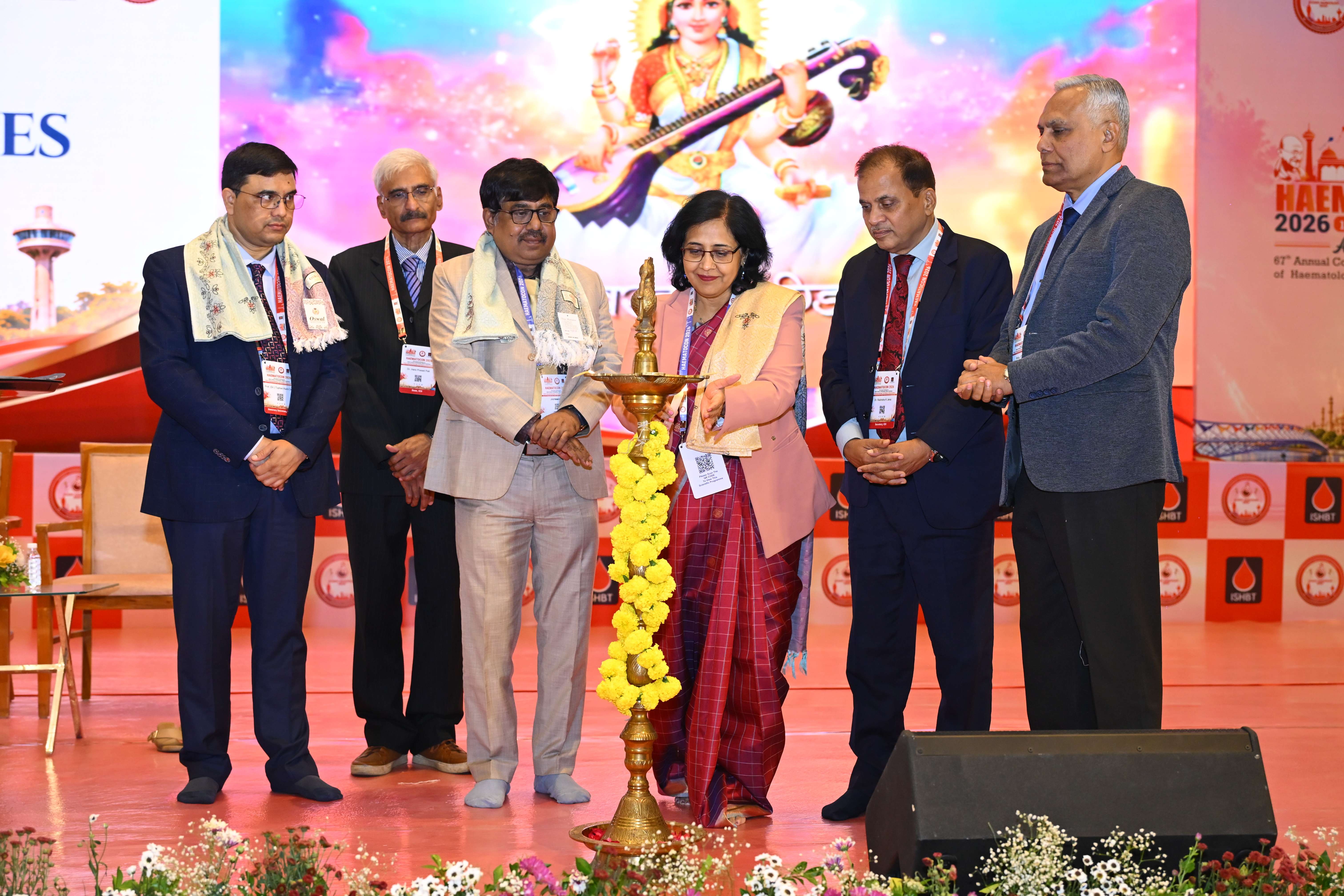
The 67th annual ISHBT conference drew 4,000 delegates and 200 international faculty members, with discussions covering leukaemia, thalassaemia, sickle cell disease and emerging treatment technologies
Ahmedabad, November 16: Advances in blood cancer treatment, early detection of inherited blood disorders and the growing importance of evidence-based medical care were among the major subjects discussed at HAEMATOCON 2026, which concluded in Ahmedabad on November 15. The four-day conference brought together 4,000 delegates and 200 international faculty members to examine developments in haematology and their implications for patient care.
The 67th annual conference of the Indian Society of Hematology and Blood Transfusion (ISHBT), held at Club O7 from November 12 to 15, featured scientific lectures, research presentations, workshops and clinical discussions involving specialists from India and several other countries.
With the theme ‘Advancing Hematology: From Evidence to Clinical Excellence’, the conference explored how developments in medical research, diagnostic technologies and treatment approaches can contribute to better management of blood-related diseases.
A central focus was the diagnosis and treatment of six major categories of blood disorders: leukaemia, sickle cell disease, thalassaemia, haemophilia, anaemia and immune thrombocytopenia (ITP).
Discussions on leukaemia examined developments in chemotherapy, targeted therapy, immunotherapy and bone marrow transplantation. Specialists also addressed the importance of accurate diagnosis and selecting appropriate treatment approaches for patients affected by different forms of blood cancer.
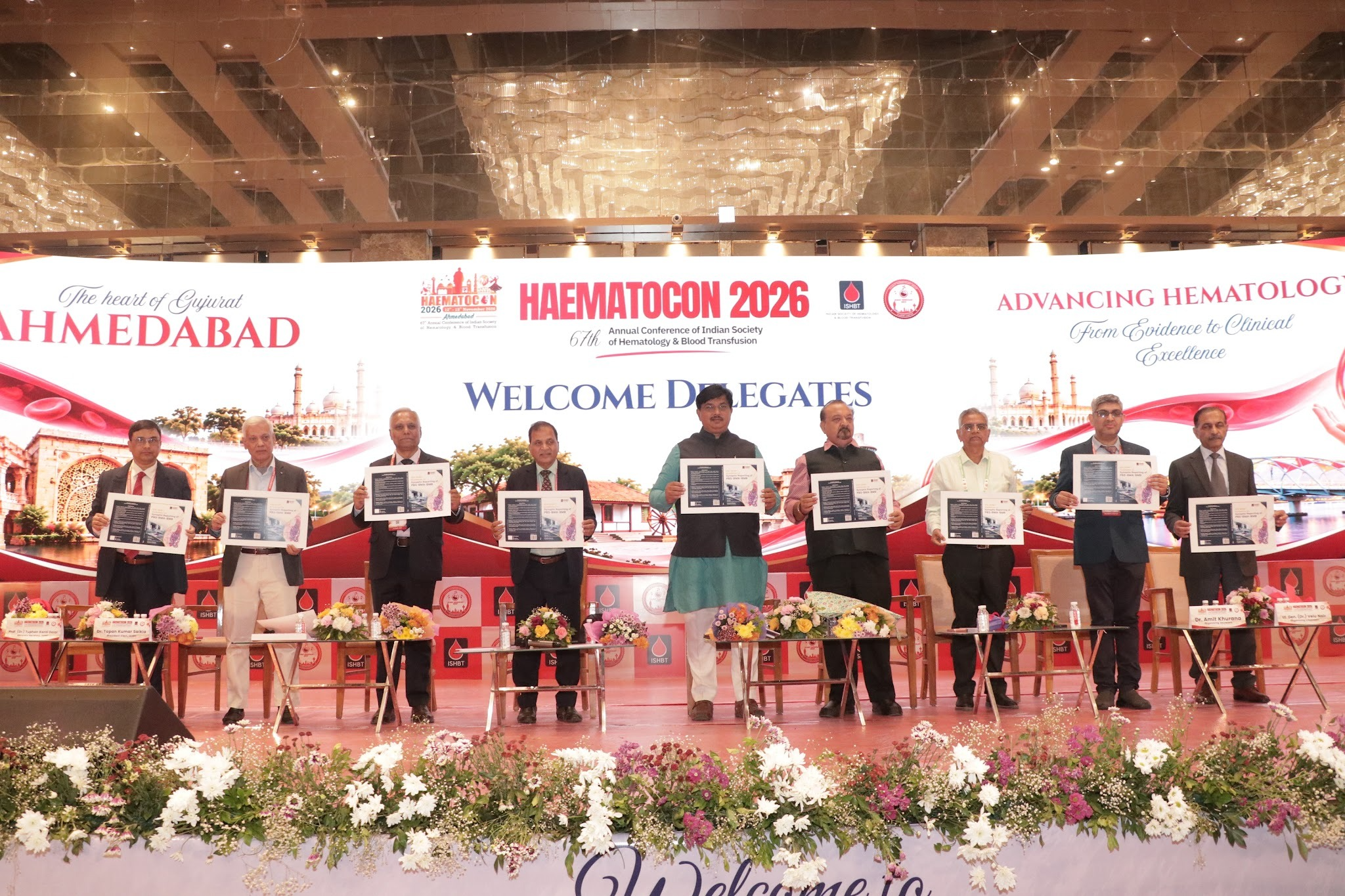 For inherited disorders such as sickle cell disease, haemophilia and thalassaemia, the academic sessions highlighted early screening, genetic counselling, carrier identification and access to treatment. Experts also examined the challenges associated with long-term management of these conditions.
Anaemia was another important area of discussion, particularly the need to identify underlying medical causes and ensure appropriate intervention. Sessions on ITP addressed symptoms associated with low platelet counts, diagnostic assessment and developments in treatment.
“HAEMATOCON 2026 highlighted how advances in medical research and treatment are changing the way blood disorders are diagnosed and managed. While significant progress has been made in treating conditions such as leukaemia, thalassaemia, sickle cell disease and other haematological disorders, early diagnosis and timely access to appropriate treatment remain equally important. The conference reinforced the need for greater public awareness, stronger collaboration among healthcare professionals and continued efforts to make modern treatment approaches more accessible to patients across India,” said Dr. Tuphan K. Dolai, Secretary, ISHBT.
The scientific programme extended beyond individual diseases to cover benign and malignant haematology, transfusion medicine, stem cell transplantation, molecular diagnostics and laboratory haematology. Interactive case discussions and hands-on workshops enabled participants to share clinical experiences and explore the application of emerging medical technologies.
The conference attracted specialists from countries including the US, UK, Germany, Australia, Japan, China and Bangladesh, creating opportunities for international scientific exchange.
“This is the first national-level conference we have organised, bringing together more than 2,000 super-specialist doctors from India and different countries. The conference featured extensive discussions on blood cancers and other blood-related disorders, available treatment options and emerging medical technologies. It provided an important platform for specialists to exchange knowledge, share clinical experiences and explore developments in the diagnosis and treatment of haematological conditions,” said Dr. Amit Khurana, Organising Secretary, HAEMATOCON 2026.
International collaboration was another significant aspect of HAEMATOCON 2026. A joint symposium involving the American Society of Hematology and the Indian Society of Hematology examined blood disorders, treatment options and advances in patient care.
The event also featured an Asian summit, with haematologists from South Korea, Japan, Singapore, Malaysia and Thailand participating in discussions on conditions affecting younger and older populations.
“The 67th annual haematology conference in Ahmedabad brought together experts from India and across the world for meaningful scientific discussions. A joint symposium between the American Society of Hematology and the Indian Society of Hematology focused on various blood disorders, available treatments and advances in patient care. The conference also featured an Asian summit, where haematologists from South Korea, Japan, Singapore, Malaysia and Thailand exchanged knowledge and discussed haematological conditions affecting both younger and older populations. We also honoured nine veterans with the Fellowship of the Indian College of Haematology in recognition of their contributions to the field. These interactions and recognitions reflect the importance of scientific collaboration, knowledge sharing and acknowledging those who have contributed to advancing haematology,” said Brig. (Dr.) Tathagata Chatterjee, President, ISHBT.
The recognition of nine veterans with the Fellowship of the Indian College of Haematology was among the notable moments of the conference. The programme also included research awards, scientific presentations and an exhibition featuring developments in diagnostics, medical technologies and treatment solutions.
Beyond the clinical discussions, the conference emphasised the need for greater public understanding of blood disorders. Early recognition of symptoms, timely medical consultation, voluntary blood donation and stem cell donor registration were highlighted as important areas of awareness.
“HAEMATOCON 2026 has provided an important platform for specialists from India and across the world to exchange knowledge and discuss the latest developments in haematology. The discussions over the four days highlighted the importance of early diagnosis, evidence-based treatment and continued research in improving outcomes for patients with blood disorders. Such scientific gatherings play a vital role in strengthening collaboration among medical professionals and bringing advances in medical science closer to everyday clinical practice,” said Dr. R K Jena, Secretary, ICH.
The importance of sustained international cooperation in medical research also emerged as a key theme, particularly in addressing life-threatening blood disorders and sharing new approaches to diagnosis and treatment.
“HAEMATOCON 2026 received an overwhelming response from the medical community across the globe, bringing together hundreds of experts from India and other countries. The conference provided an excellent opportunity for specialists to learn, exchange ideas, build professional networks and explore collaborative research. With continued efforts being made to find effective treatments and cures for life-threatening blood disorders, international cooperation has become increasingly important. Just as the world came together to fight COVID-19, the medical community must work collectively to share knowledge, research and emerging technologies. HAEMATOCON 2026 was organised with this very objective of strengthening global collaboration and accelerating progress in haematology,” said Lt. Gen. Dr. Velu Nair, Organising Chairman, HAEMATOCON 2026.
The conclusion of HAEMATOCON 2026 brought together discussions on scientific research, emerging treatment options and the need to improve awareness of blood-related conditions. The conference reinforced the importance of connecting medical advances with clinical practice while encouraging continued collaboration among haematology specialists in India and abroad.